FRIDAY, OCTOBER 2, 2026 - New York
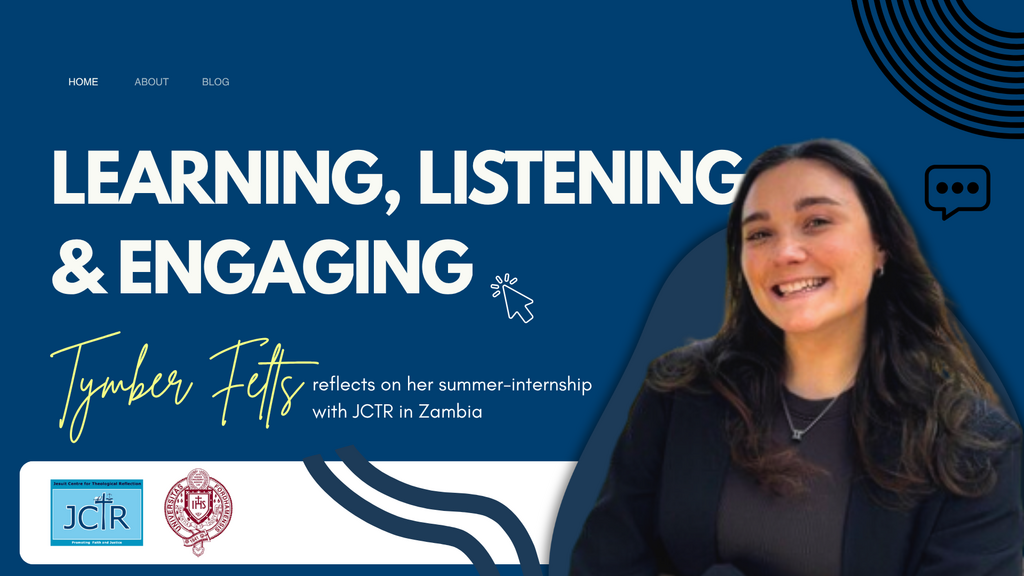
By Tymber Felts
This summer [winter in Zambia], with generous funding from the Campion Institute through Fordham University’s Fellowship Office, I had the opportunity to intern with the Jesuit Centre for Theological Reflection (JCTR) in Lusaka, Zambia.
JCTR is a socio-economic organisation guided by Catholic Social Teaching, with a strong commitment to addressing social and economic injustice and advancing the dignity of marginalised communities and people living in poverty. Its work spans seven thematic areas: Cost of Living, Social Accountability, Public Financial Management, Governance, Climate Justice, Human Rights, and Value Transformation.
I worked with JCTR’s Faith and Justice (F&J) Programme, which promotes just and equitable conditions for all Zambians through capacity building, research, advocacy and community engagement.
There was never a dull day in the office. Some days involved taking notes and documenting national-level summits as a JCTR representative; on others, I researched and wrote about issues for the organisation’s quarterly Bulletin, a semi-academic publication that examines current socio-economic and demographic issues affecting Zambia.
But what made the internship particularly meaningful was the opportunity to move beyond the office and engage directly with communities and stakeholders.
Learning beyond the office
From the moment I arrived in Zambia, the JCTR team gave me opportunities to learn from the communities and organisations with which it works.
Just a couple of weeks into my internship, I attended the United Nations High Commissioner for Refugees (UNHCR) World Refugee Day event in Lusaka on 20 June. The event provided an opportunity to learn more about refugee communities in Zambia, particularly people from the Democratic Republic of the Congo (DRC), and the issues affecting their lives and integration.
Following the event, I prepared a detailed report to share the day's proceedings and key insights with the JCTR team.
Soon afterwards, I had the opportunity to report on and assist with preparations for the National Climate Change Summit, Zambia's second annual Climate Change Summit, which JCTR co-hosted.
The summit brought together individuals and organisations working on climate and development issues from across the country. I had the opportunity to interact with representatives from organisations including the Food and Agriculture Organization of the United Nations, the Kasisi Agricultural Training Centre, which promotes sustainable agricultural practices, and the Czech Development Agency, among many others.
One of the most important lessons I took away from the summit was the need for the private sector, public institutions and communities to work together in addressing the effects of climate change. This is particularly important as Zambia and the wider region confront increasingly severe climate-related challenges, including droughts that have affected critical agricultural areas.
Taking development work to the community
Another highlight of my internship was participating in a Water, Sanitation and Hygiene (WASH) project assessment in Nkeyema District.
My previous exposure to project management and monitoring and evaluation helped prepare me for this aspect of the internship. Following an initial assessment conducted a month earlier, the Faith and Justice team returned to Nkeyema to assess how elected officials had responded to the district's low WASH rating.
The initial assessment had given Nkeyema a WASH score of 1 out of 5, the lowest rating among the districts surveyed by JCTR.
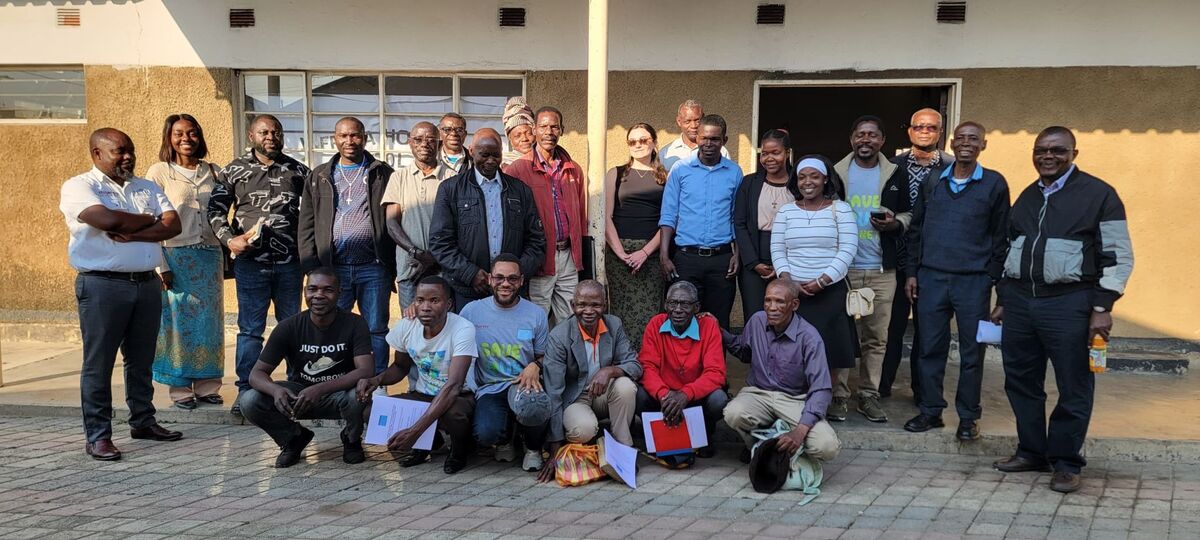
I spent three days in Nkeyema with colleagues facilitating interface meetings involving community leaders, residents, local government officials and representatives of the Electoral Commission of Zambia.
The meetings provided a space for community members to discuss the challenges they faced in accessing water and sanitation services, while also engaging elected officials and other stakeholders on their responsibilities. The sessions also helped inform citizens about their constitutional electoral rights and their role in holding public officials accountable.
Being part of this process allowed me to see firsthand how community-level field assessments can function as important monitoring and evaluation tools.
More importantly, the experience helped me appreciate the relationship between community empowerment, data collection and evidence-based development. Data is important, but so is the process through which that data is collected: listening to communities, understanding their lived experiences and creating opportunities for them to engage the institutions responsible for responding to their concerns.
Seeing development work in practice
My time at JCTR gave me a much deeper understanding of what development work looks like beyond the classroom.
I learned that development is not simply about designing projects or producing reports. It involves engaging people, understanding their realities, gathering evidence and creating spaces where communities can participate in decisions that affect their lives.
The internship also gave me the opportunity to apply skills I had developed through my academic and professional experiences while learning new ones. From documenting national conversations on climate change and refugee protection to contributing to research and participating in field assessments, every experience added another layer to my understanding of international development and project management.
Perhaps most importantly, working alongside the Faith and Justice team showed me the value of combining research and advocacy with direct community engagement.
Experiencing Zambia beyond JCTR
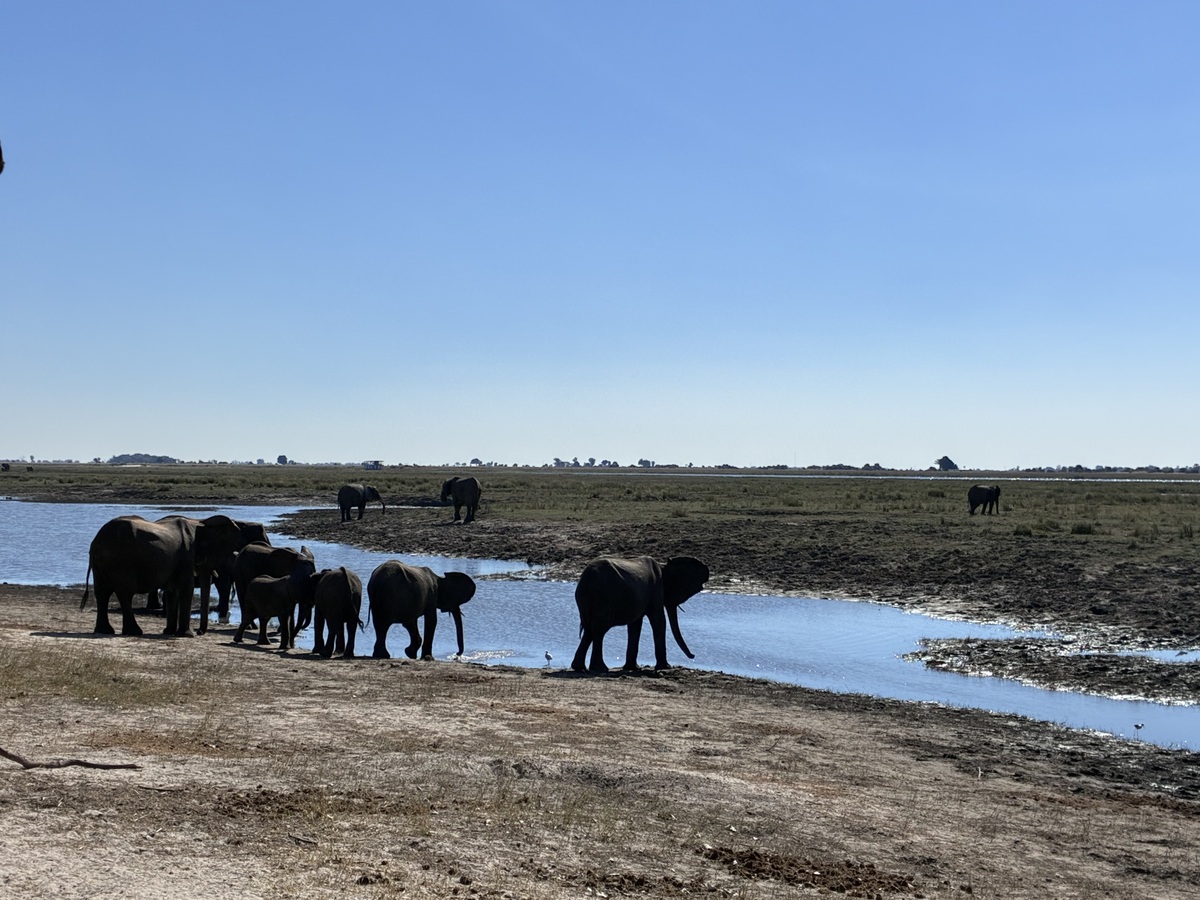
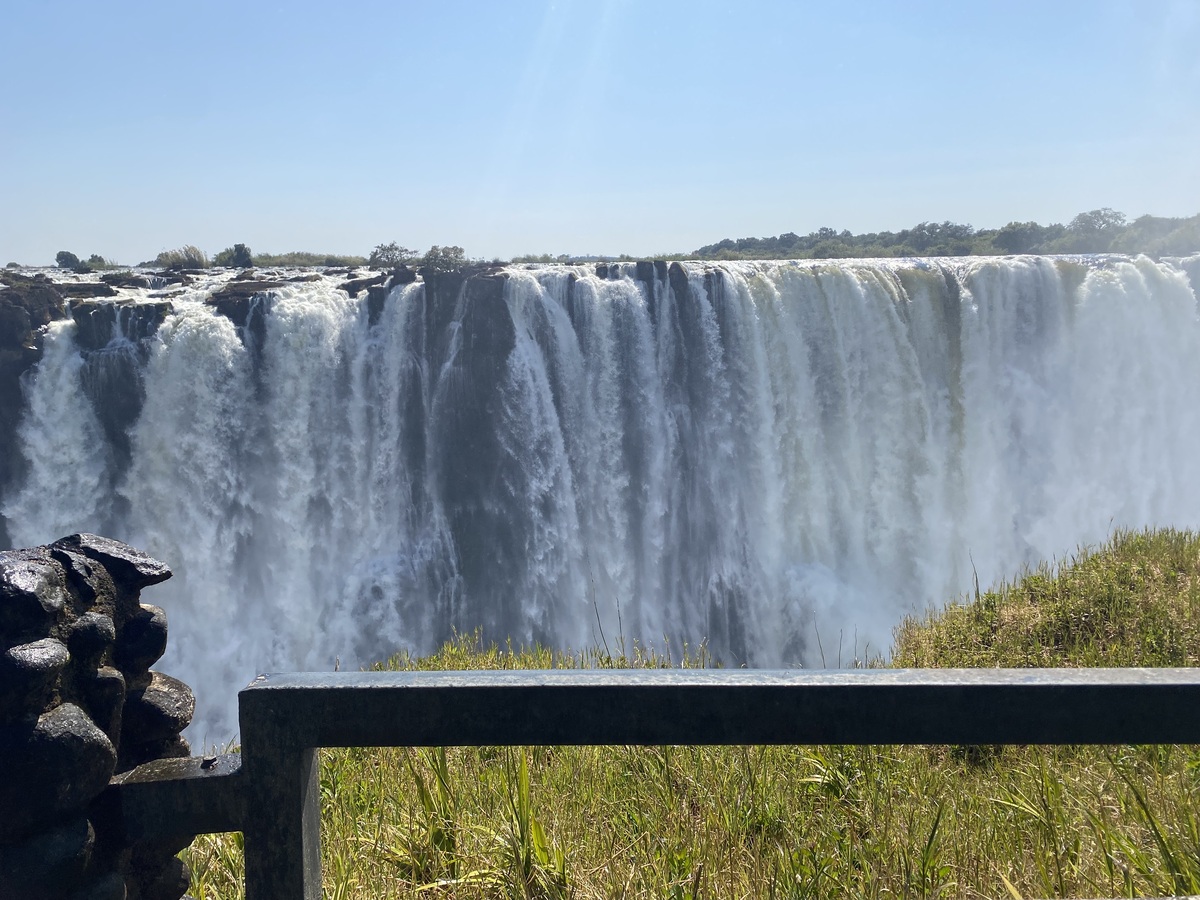
Outside of work, I also had the opportunity to experience some of Zambia's remarkable natural beauty.
From the spectacular views of Victoria Falls to the wildlife of Kafue National Park, Zambia offered an incredible backdrop to a summer of learning and professional growth.
These experiences also gave me a broader appreciation of the country beyond the development issues I encountered through my work. They allowed me to experience Zambia's landscapes, communities and culture in ways that complemented my time at JCTR.
A summer that will stay with me
Ultimately, my internship with JCTR was a deeply rewarding experience.
It gave me practical exposure to community economic development, monitoring and evaluation, advocacy, research and project management while allowing me to learn directly from communities and professionals working to address some of Zambia's most pressing challenges.
I am particularly grateful for the opportunity to see how fieldwork can bridge the gap between community empowerment and the evidence needed to develop meaningful solutions.
For anyone interested in pursuing a career in international development, community development or project management after graduation, I would strongly encourage seeking opportunities that provide meaningful exposure to both research and fieldwork.
My summer with JCTR in Zambia gave me precisely that — and much more.

"A just Zambian society guided by faith, where everyone enjoys the fullness of life".